

CTRL+Culture: Jimothy Supremacy
Goat's Piet Dayney on the rise and fall of internet-famous animals

Author: Piet Dayney, Senior Manager of Content Strategy, The Goat Agency
Let me set the scene for you.
I’m scrolling my FYP, combing through Love Island edits, countless versions of the documentary trend, AND BAM! A video of a raccoon pops up.
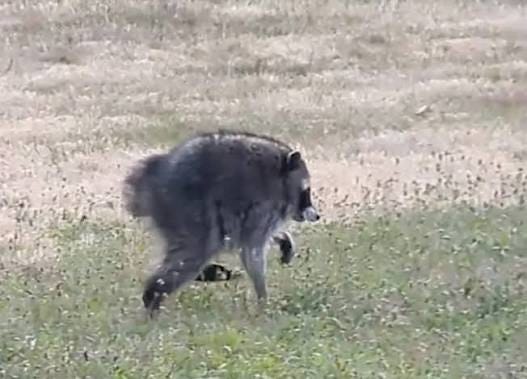
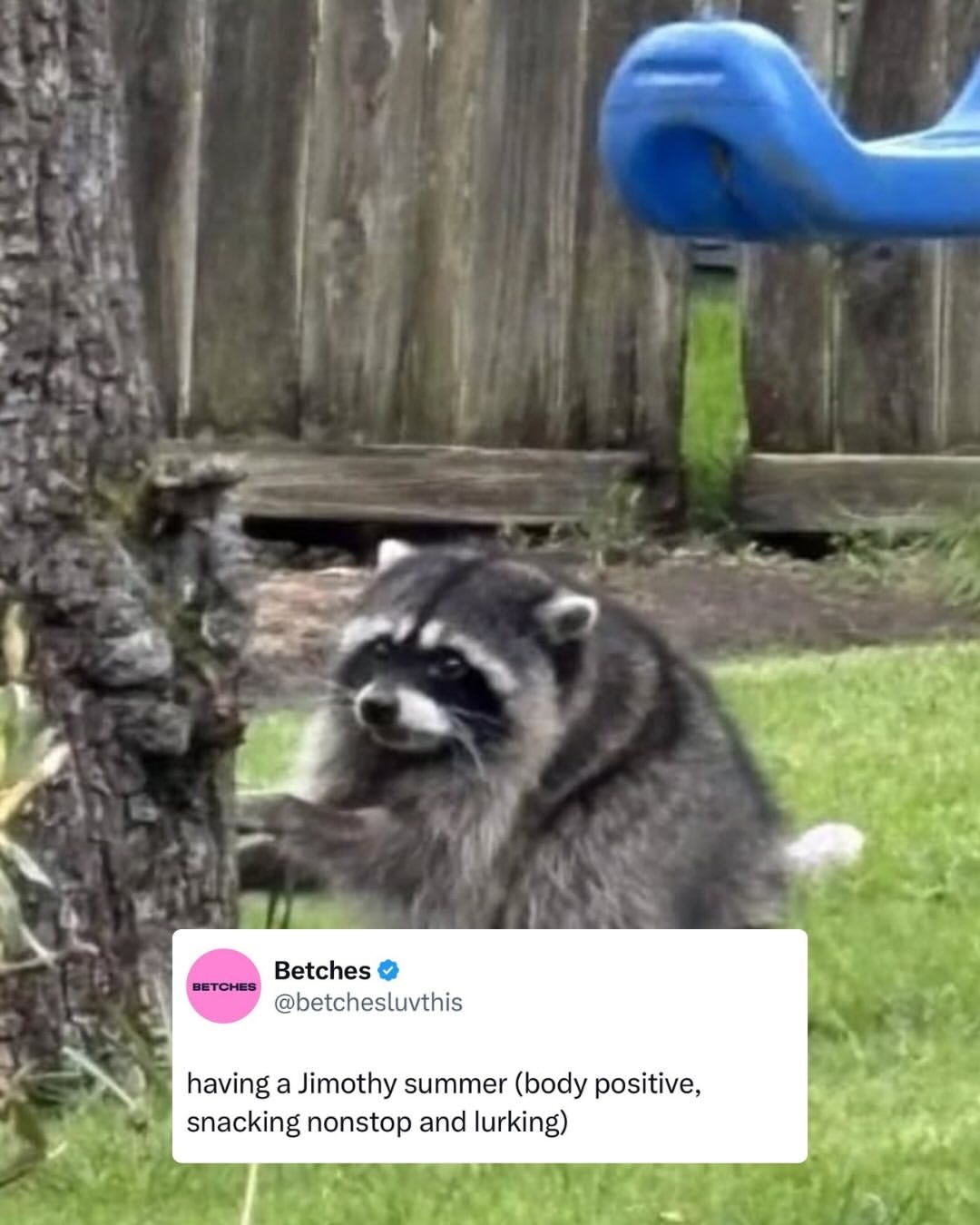
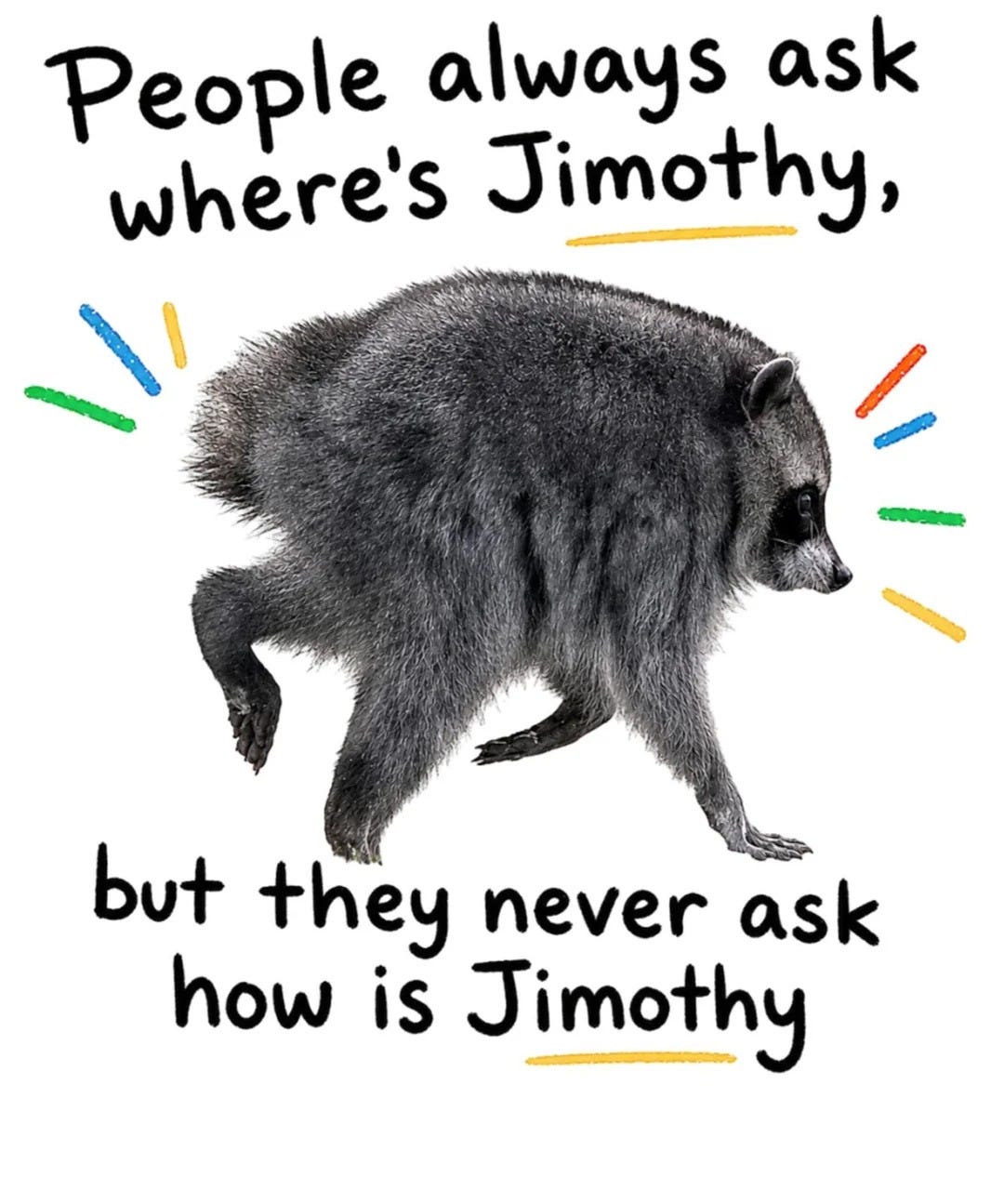
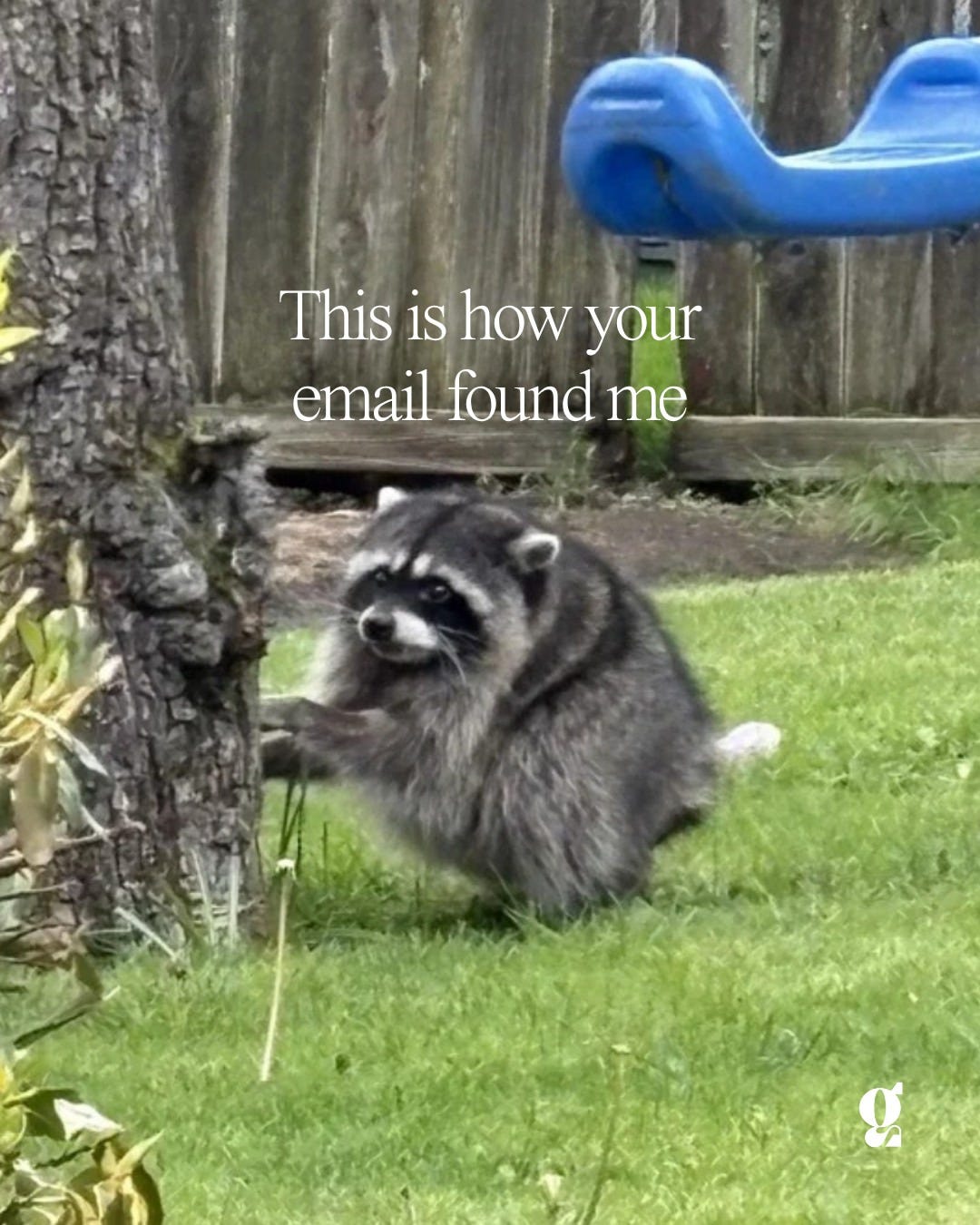
Except it doesn’t quite look like a raccoon…. I stop scrolling, and think, “What the heck is that thing?”. It looks like someone opened up a normal raccoon in photoshop, hit “compress,” and called it a day. Its legs are packed underneath it like my carry-on bag stuffed 10 lbs over the limit. Its head is perched high above its shoulders. Its body is a perfect, soft, chaotic sphere.
And it turns out I’m not the only one who stopped scrolling and thought AWWWW.
 Tiktok failed to load.
Enable 3rd party cookies or use another browser
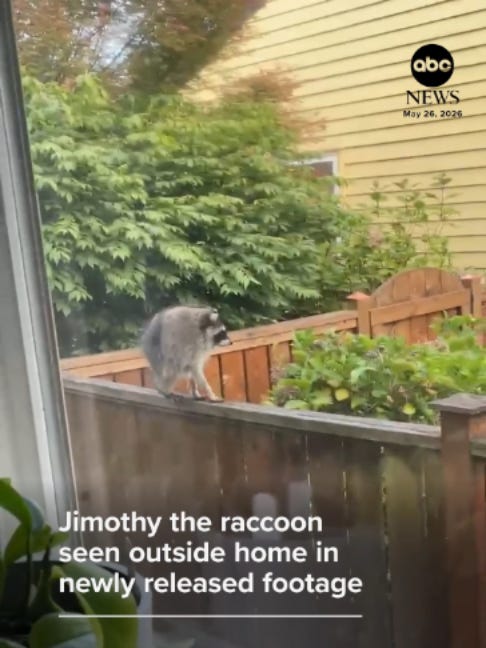
Within days, this raccoon nicknamed Jimothy, had racked up hundreds of thousands of views, a dedicated subreddit (r/JimothyTheRaccoon, which already has members making embroidery patterns), countless memes, and became the (un)official mascot of Seattle.
By July 21st, Jimothy had generated 95 news articles in a single day (source: Sightly News Data, USA, July 2026.) That’s not a typo. In 24 hours, nearly a hundred journalists collectively decided their most important assignment was a compact raccoon from Seattle. And honestly? I am totally ok with that taking over the news cycle.
A Seattle Councilmember even officially dubbed Summer 2026 “Jimothy Summer”; a real, official, city-council-approved declaration à la Brat Summer 2024. He’s since been featured on The Daily Show and in Smithsonian Magazine.
A whole summer. Named after a raccoon. With a spinal condition. Living in someone’s backyard.
Time for my weekly internet crash-out.
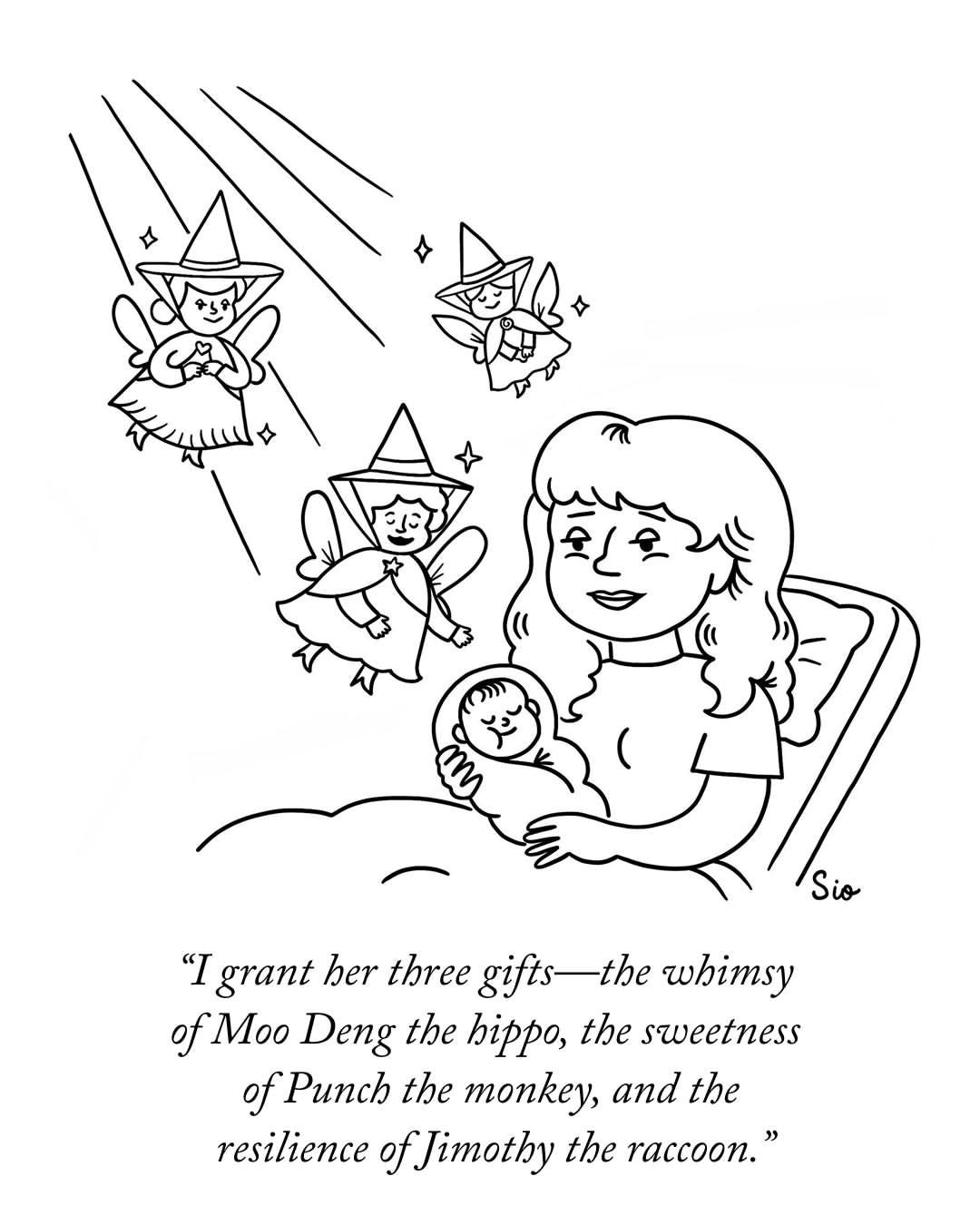
Now, if your screen time is as high as mine, this story shouldn’t come as a surprise. The internet LOVES to catapult animals into celebrity. Think Moo Deng, Punch the Monkey, LincolnLog the cat… and now Jimothy. Because he’s just the latest entry in a very long, very chaotic, deeply beloved lineage, and if you’ve been watching, we have enough data now to start drawing a pattern.
Let’s run the Greatest Hits.
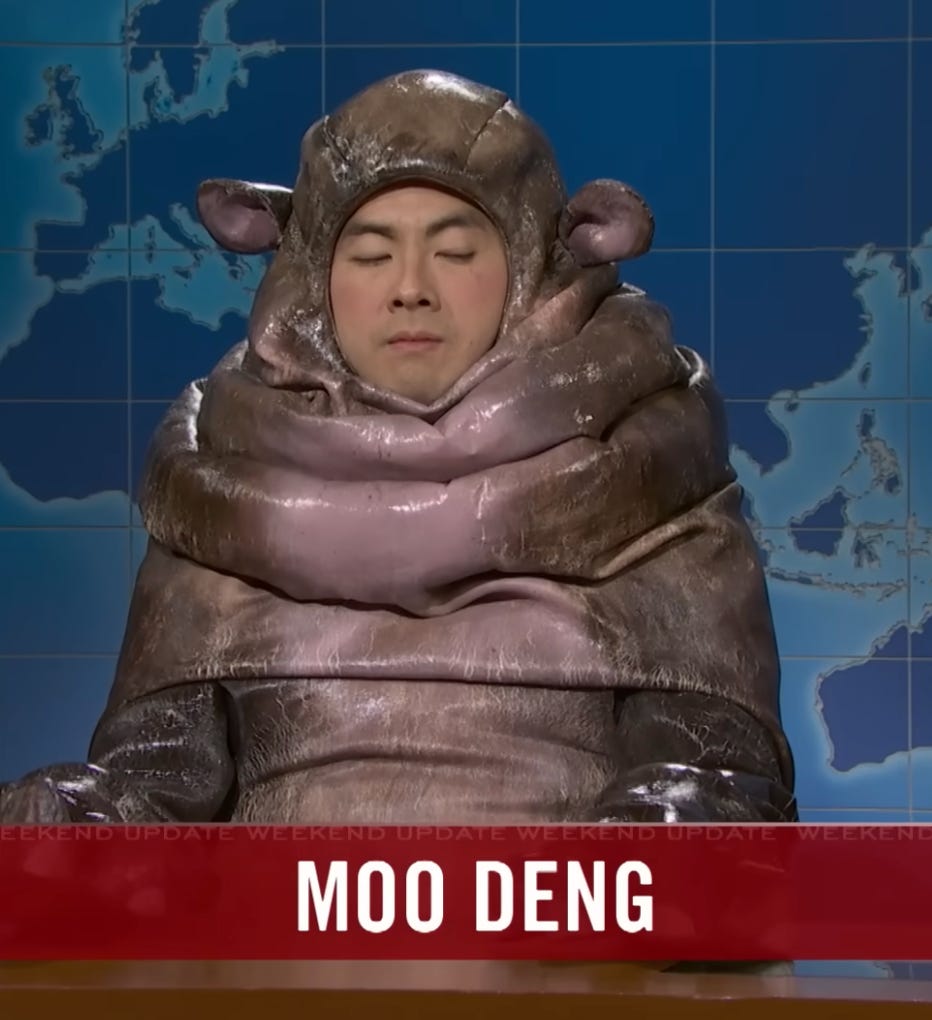
Miss diva Moo Deng… The pygmy hippo from a Thai zoo who single-handedly convinced the entire internet that hippos are, in fact, adorable and not just the most statistically dangerous large mammal in Africa.
Moo Deng went so viral that people began illegally entering her enclosure for selfies…. which, I cannot stress enough, is the kind of unhinged behavior that only the internet can create. Her 2nd birthday party this month drew 12,000 visitors to the zoo, and of course, brands had to tap in too. Sephora ran a campaign leaning into her brand, SNL did a full viral skit, and countless companies posted memes on their socials. She didn’t just go viral - Moo Deng became infrastructure.
Then, once we were finally over Moo Deng (after she trickled down to the brands that had to get approval through legal), a new supreme rose.
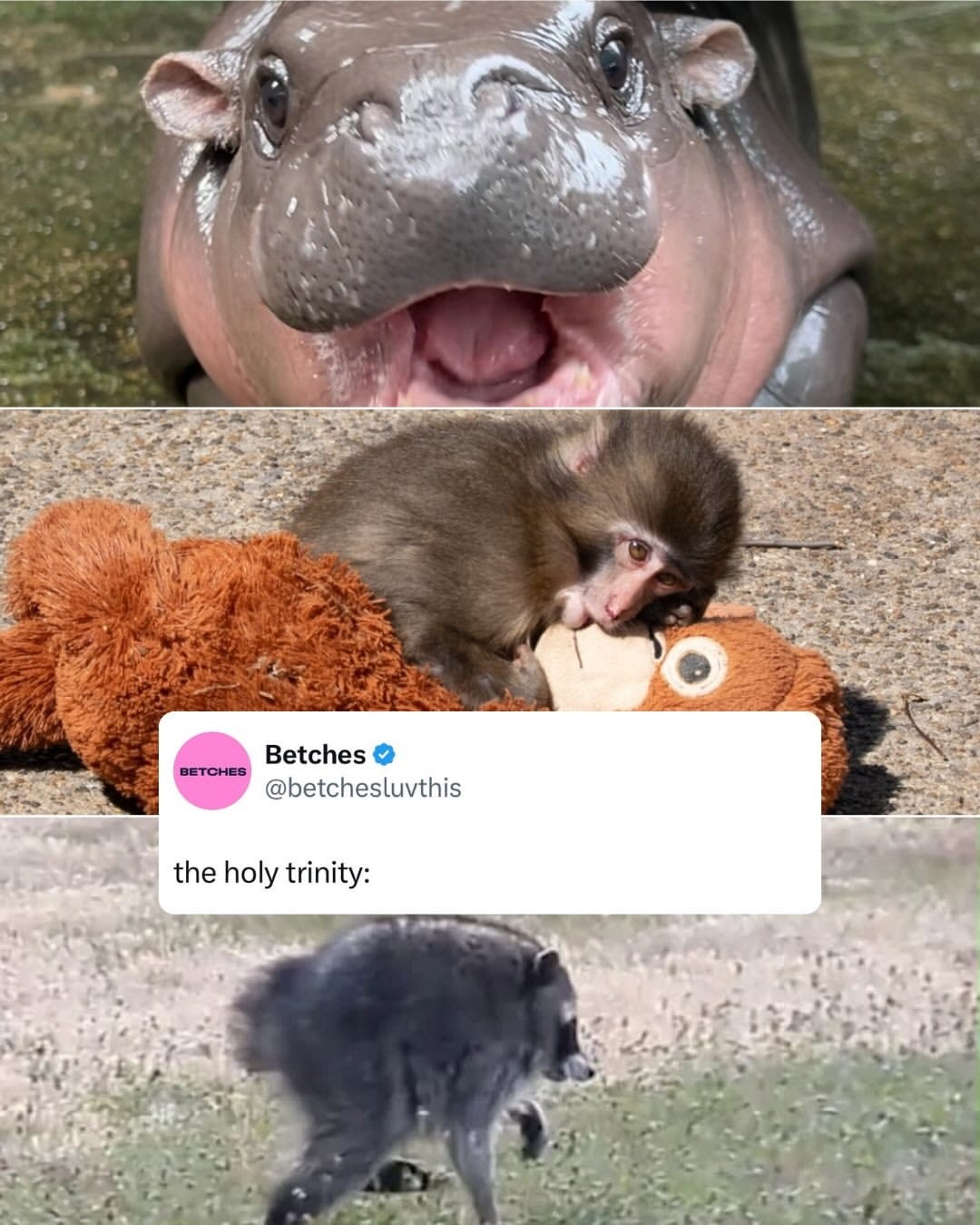
Meet Punch the monkey, a baby Japanese macaque at Ichikawa City Zoo, abandoned at birth, who found comfort by clinging to an IKEA “Djungelskog” orangutan plush toy. The videos of tiny Punch hugging his stuffed mom made me (and the entire internet) tear up.
The IKEA plush sold out immediately (and was reselling on eBay for people’s firstborn child). The zoo saw ten times its usual winter foot traffic. What started as a single viral moment became a global, unsolicited brand moment for IKEA, and they just… showed up gracefully. No brief. No strategy deck. Just stuffed animals and good intentions.
The list goes on and on…
The anatomy of a viral animal moment
If you’ve been paying attention - and I have been, relentlessly, which is both my job and my obsessive personality - there is a formula here.
It starts with a single video. Authenticity is the currency; a neighbor’s shaky phone recording beats a produced shoot every time. The animal is not performing. The animal simply exists. And the internet, starved for something genuine in a world of very loud, very curated noise, grabs hold with both hands.
The comments come first. Then the nicknames - and this part is non-negotiable. Moo Deng. Punch. Jimothy. The greatest internet animal names always make you go, “Who???”. They carry a reputation completely at odds with the creature bearing them, and that tension is the joke and the warmth all at once. You would not look at a baby hippo and name her “Moo Deng,” but once you do, there is simply no other name. Same goes for Jimothy. He is a Jimothy. There is no alternative universe where this raccoon has any other name, and I will not be taking questions.
Then comes the lore. The fan art. The merch. The subreddit. The memes. The cultural institutions catching up - and the brands.
What’s notable about Jimothy specifically is the speed.
The first viral sightings hit around July 16–17. By July 20–21, he was generating 87–95 news articles a day (source: Sightly News Data, USA, July 2026.) The time between “one Instagram video in a Seattle backyard” and “officially declared a summer by city council” was approximately 96 hours. That is faster than most brands take to get through legal review. Jimothy was a national story before most of us had finished our morning coffee.
And then the brands show up.
Here is where it gets interesting, and where the quality of the response tells you everything.
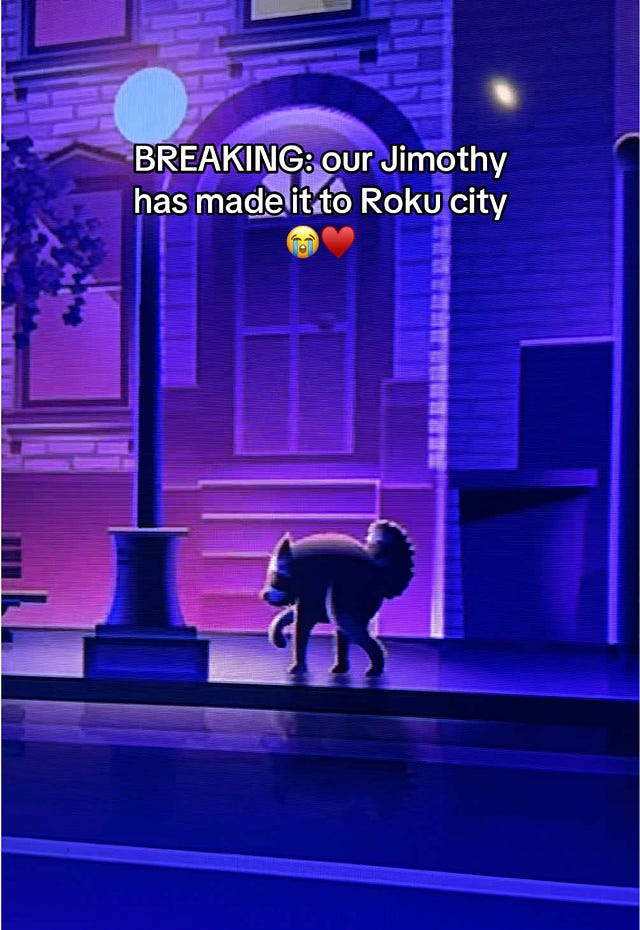
With Jimothy, the brand moves have been swift and, honestly, mostly delightful. Roku featured him in Roku City, their signature screensaver - a perfectly understated choice, because if you’re rotting on your couch long enough for the screensaver to kick in, you were definitely already watching Jimothy videos anyway.
 Tiktok failed to load.
Enable 3rd party cookies or use another browser
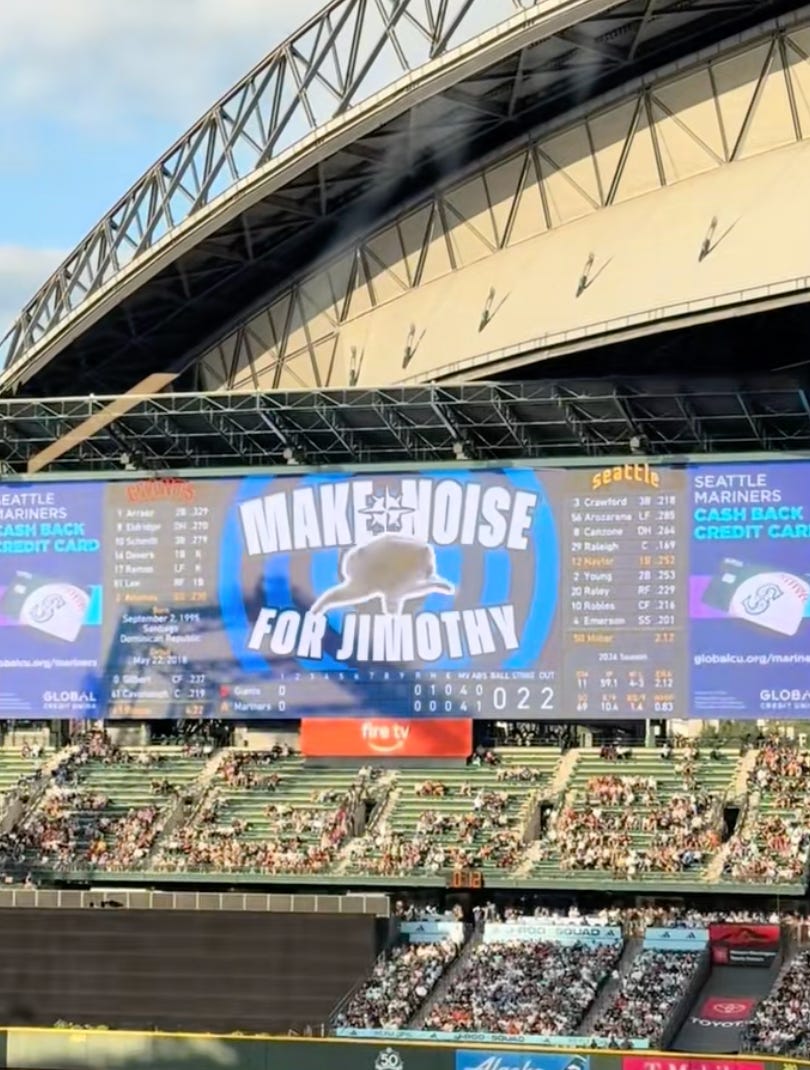
Google ran animations. Budweiser and the Seattle Mariners both activated around him. The National Bobblehead Hall of Fame released an official limited-edition Jimothy bobblehead. He is now collectible. He is official.
Then there’s the Seattle University Student Health Center, which used Jimothy’s campus wanderings to encourage students to get vaccinated, posting that “Jimothy reminds everyone that taking care of your health is always in season.” I need you to sit with that for a moment….. A raccoon with a congenital spinal condition is now a public health ambassador for a university. And you know what? If it gets people vaccinated, Jimothy is doing more for public health than half the awareness campaigns I’ve seen in this administration. Hire him. Give him benefits.
Compare this to Punch and IKEA: the brand was already in the video before anyone said a word. IKEA Japan didn’t need a brief or a reactive campaign. They simply leaned into what was already happening - donated more toys, sent the president of IKEA Japan to personally visit the zoo - and the brand moment wrote itself. No strategy. No deck. No approvals. Just vibes.
So, what does this all actually mean?
Here’s my real take after spending entirely too long in this corner of my FYP…
The internet-famous animal is the purest form of viral content we have left.
In a social media landscape that is increasingly performative, algorithmically optimized, and frankly YAWN, a sphere-shaped raccoon just living his life in a backyard is a palate cleanser for the collective internet soul.
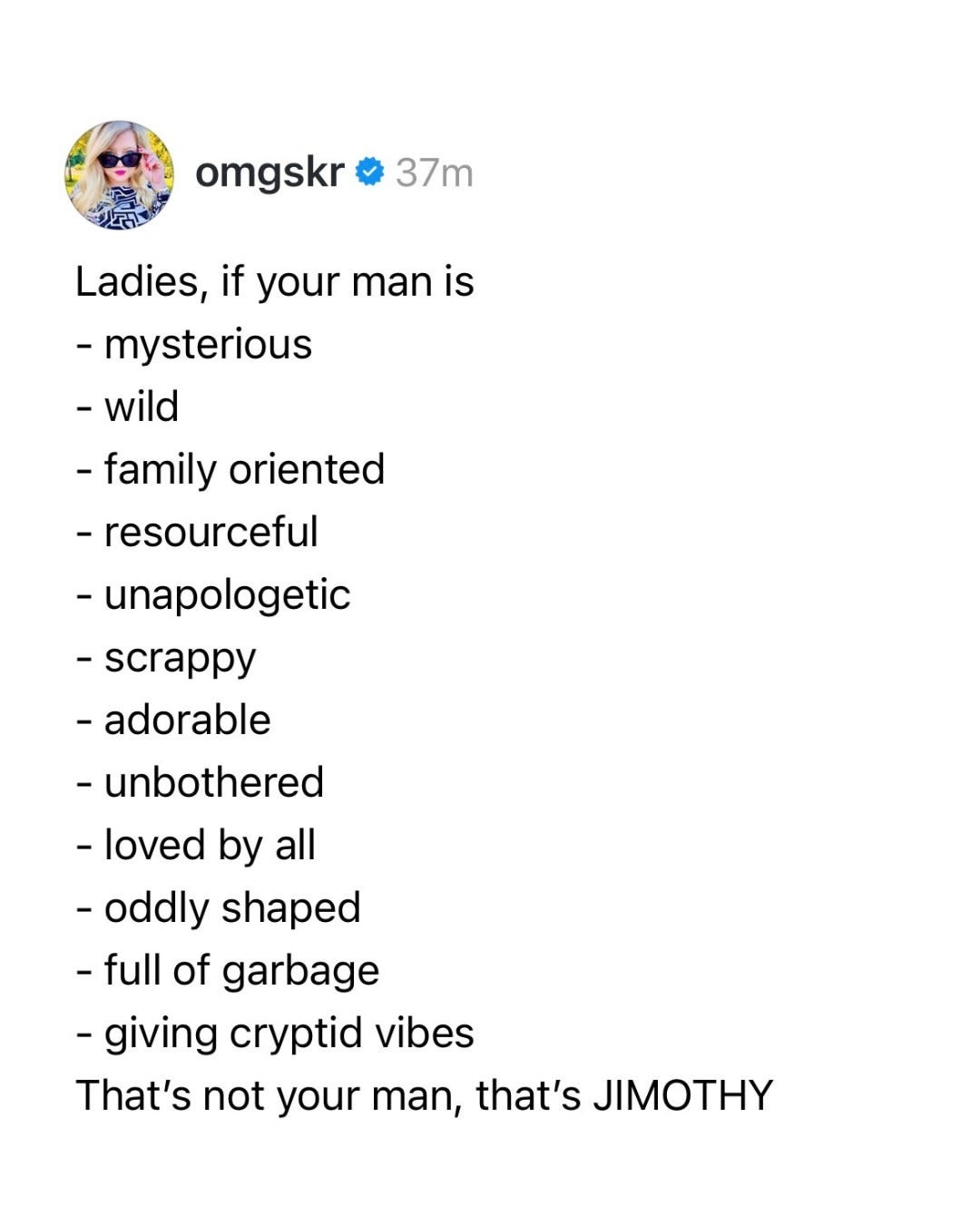
No one chooses these animals. They choose us. And when they do, the fandom is completely genuine… not manufactured, not seeded, not sponsored from the start. The fan art, the murals, the memes, the offers to bring Jimothy some Raising Cane’s chicken with photo evidence (yes, this happened) - that is pure, chaotic, joyful human creativity in response to something that genuinely surprised and delighted them.
“a sphere-shaped raccoon just living his life in a backyard is a palate cleanser for the collective internet soul”
For brands, the lesson is the same one we keep needing to relearn: the best play is to be present without being intrusive.
IKEA didn’t campaign. They donated stuffed animals. Roku put Jimothy on a screensaver. Seattle University used him to talk about vaccines. These all work because they feel earned - they acknowledge the cultural moment rather than trying to own it.
The brands that fumble this are the ones who take too long, overcomplicate it, or make it obviously about themselves. Jimothy doesn’t need a brand partner. He’s already on The Daily Show. He’s already a bobblehead. He’s already a screensaver. He is already, in every sense, a cultural icon.
And like all the best viral animals - from Moo Deng’s 12,000-person birthday party to Punch hugging a stuffed orangutan in a Tokyo zoo - this one will pass. The algorithm will move on. A new animal will go viral, get a random name, and the whole beautiful cycle will start again.
But for one glorious week in July 2026, a spherical raccoon in a Seattle neighborhood united the entire internet under one very important shared belief….
Protect Jimothy at all costs.
He’s earned it.
…