

Making the Group Chat: A Conversation from AdAge NextGen Marketing Summit
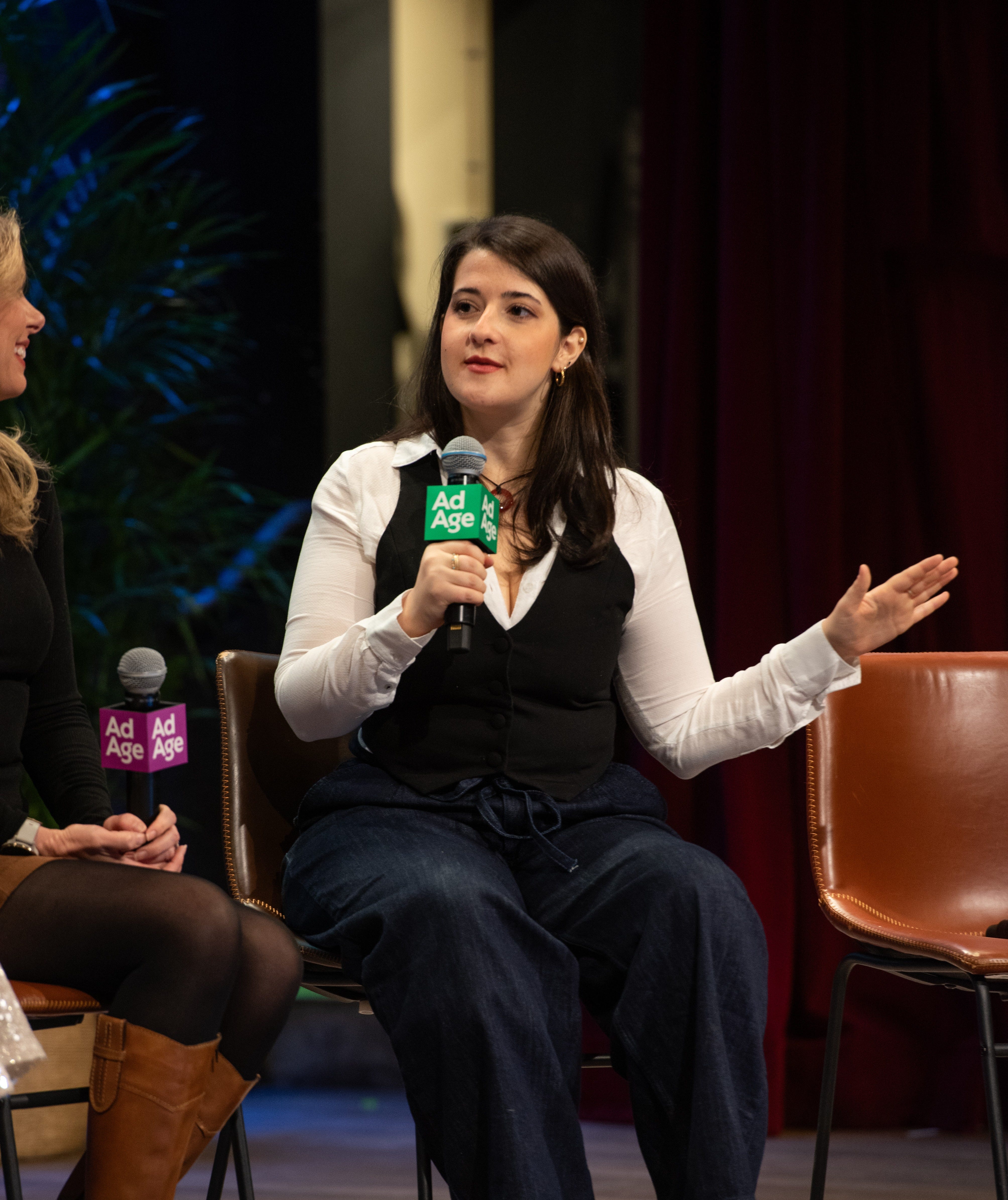
A snippet from the stage at Ad Age NextGen Marketing Summit, where Melanie Ropp and Liv Molho unpacked why the most valuable brand signal might be what gets sent privately.


Erika:
Melanie, when a campaign seems like it hits all the right notes creatively, how do you measure whether that impact is translating in a meaningful way for the client? How do you track the influence of an ad like that and prove its worth to the client?
Mel:
Saves and shares are huge.
A save usually means something resonated. It landed, felt relatable, or gave someone a reason to come back to it later. That matters because when you are investing in influencer content, you do not want it to just live on a story for 24 hours or disappear in the feed. If people are returning to it later, you are getting longevity.
Comments are another big signal, and I am not talking about millennial emoji comments. I mean people actually saying, “This sounds great,” or “This changed me.”
Looking at the depth of comments is a strong way to evaluate impact, and sentiment matters too. Is there purchase intent? Is there brand love? Product love? Love for the content itself?
Those comments can tell you whether brand perception is shifting, if that was the goal.
The other thing I always say is influencer is scalable. Look at ROAS. Even with something like a gaming app, there are platforms that can attribute sales, and that is super important.
Really look at ROAS. You do not have to focus on CPM. CPM is not the North Star for influencer. It is too passive, it changes by industry, and it should not be the main metric.
Impressions and engagements still matter, but if you can push lower funnel, or show that people are meaningfully engaging with the content, that becomes much more valuable.
A scary fact for all of us is that we scroll the length of the Statue of Liberty every day, and most people probably do not remember much of what they watched.
So you have to create something that resonates, because product notes alone probably will not do that.
Erika:
Liv, when we were discussing niche communities, how small do you go, and is there such a thing as too niche?
Liv:
I think this is an important conversation because it is much more impactful to reach a specific niche group and get it right than to try to reach several niches at once and not really hit the mark for anyone.
A joke I often make is that the last time we had monoculture was when Kelly Clarkson won American Idol.
Ever since then, nobody is seeing the same thing on their feeds. Nobody has one common reference point. We are all in our own corners online, so trying to reach multiple corners at once is naive.
What we’ve seen works best is choosing a niche, understanding that niche, finding the single truth within it, and hitting it hard.
This also connects to organic versus paid. A lot of clients want to hit paid hard because they want scale, impressions, and reach.
But organic audiences matter because that is where intimacy lives. When you follow someone with a smaller audience, it feels personal. You feel like you know them. You trust them.
That was the original idea behind influencer marketing.
Once you move too far into scale, it starts to feel less like hearing from a friend and more like sitting in an audience at a concert.
Of course there is such a thing as too small, because we still want impact, but balancing both is very important.
Erika:
Mel, for brands still trying to prove their influencer campaigns are working, even through these back channels, which platforms or tools are most useful?
Mel:
A lot of it depends on the KPI.
If it is engagement, there are different ways to measure that by platform. If it is lower funnel, you can look at in-app metrics or platforms like AppsFlyer to track ROAS.
There is not one KPI for influencer. Whatever you need to achieve can be done through media with creators.
If it is reach, video views, clicks, sales, it all depends on pairing the right metric to the right objective.
I had lunch with Snap Inc. the other day, and something interesting is that Snapchat is seeing stronger metrics again because people want real-time content in an AI-heavy world.
That makes real-time creator content particularly effective there right now.
Instagram also just introduced reposts, which is exciting because content can now move beyond private chat and become visible again in feed behavior.
And TikTok is building more group-based sharing into the product too, where friends can engage around the same feed together.
The platforms are all responding to the same thing: people want to share content and talk about it together.
That is what is exciting right now.
Erika:
Do you think this group chat metric is here to stay?
Liv:
I think it is here for a while.
It is human instinct to share culture with each other.
Culture works best when shared, and right now sharing means sharing.
You can see it in the way platforms are designing features to keep people sharing with friends.
Until something new replaces that behavior, group chats are where culture is moving.
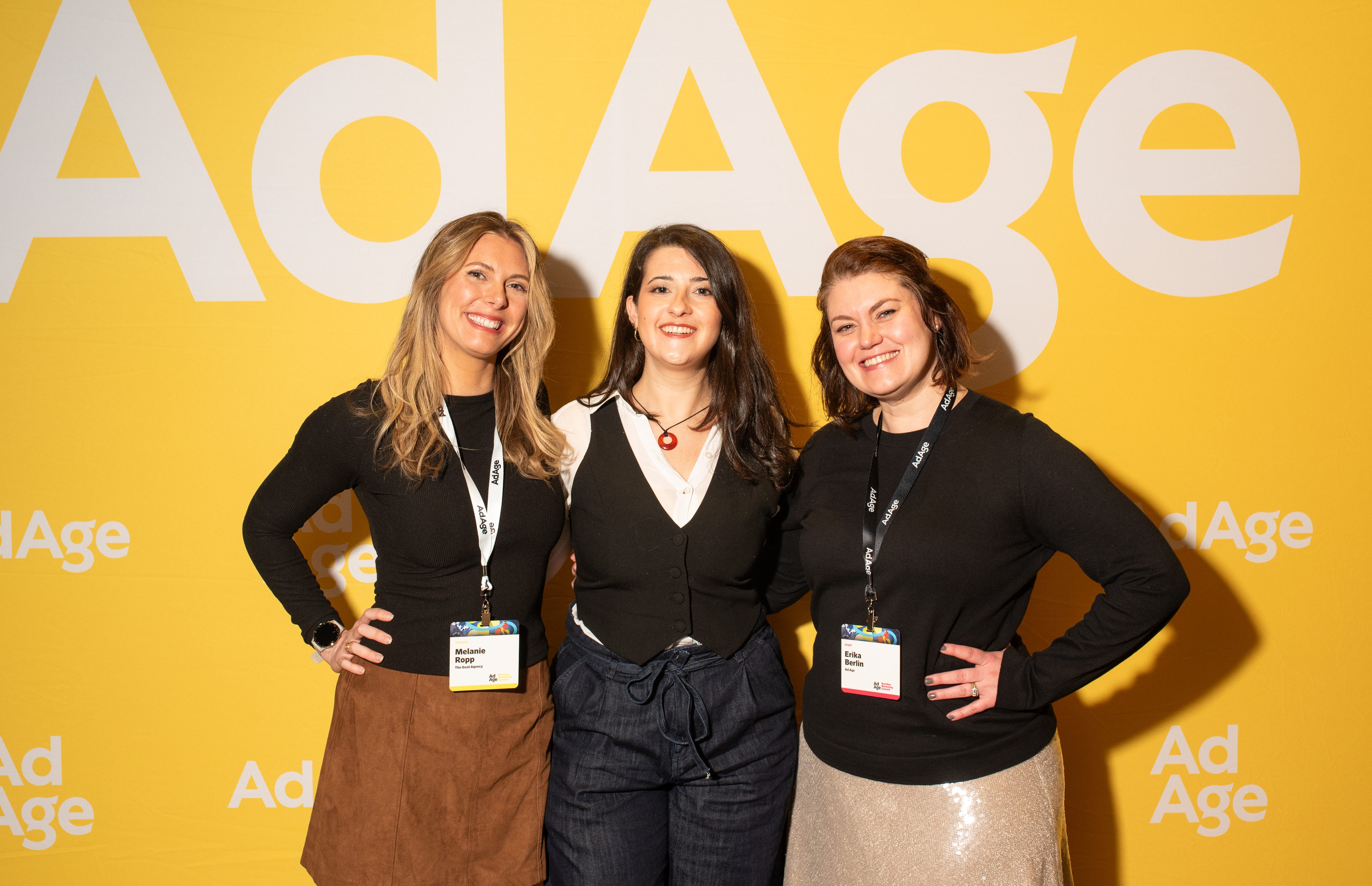
Photo Credits: Mark Davis Photography