


Author: Sophie Smith, Campaign Manager at The Goat Agency
Who do you go to for music recommendations?
Whose opinion do you trust as a tastemaker?
Traditionally, music criticism was one of newspapers’ last big frontiers - if it wasn’t coming from names like Pitchfork or Rolling Stone, it simply wasn’t credible.
Recently though, there has been a shift in the landscape: more and more we’re seeing creators take up the role previously held by big publications.
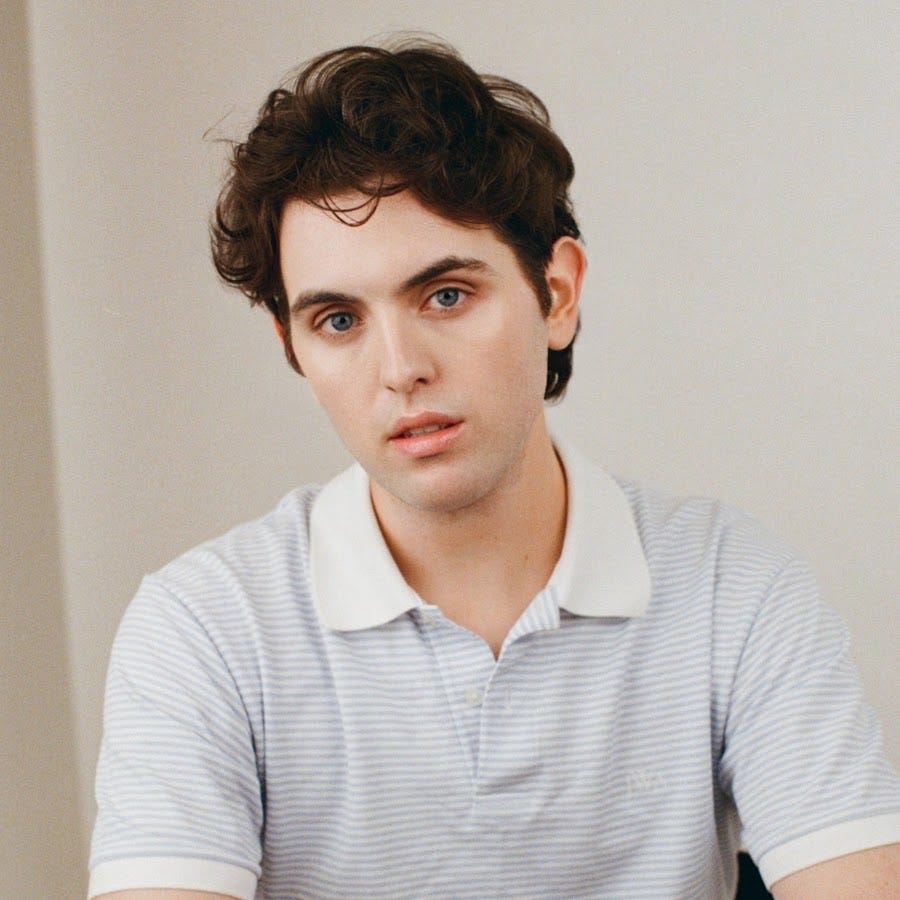
One of the best-known (and most polarising) names in music criticism is Zachary Hourihane, aka the Swiftologist.
Zachary is a Singapore-based content creator who produces “thoughtful weekly videos about pop culture” on a variety of social media platforms.
With a background in journalism, Zachary’s videos aren’t just throwaway content; many of them are well-researched video essays that clearly show Hourihane’s grasp of both popular culture and the music industry. Apart from reactions and Q&As, one of his most popular formats is “How to murder your career” (Katy Perry and Nicki Minaj are two of my favourite episodes), which shows incredibly detailed views into the missteps that lead previously hyped artists to fall into disgrace (or worse, complete irrelevance).
“Online music criticism has collapsed the distance between the critic, the artist, and the audience.” - Zachary Hourihane
The best proof of Hourihane’s impact? Artists are directly interacting with him.
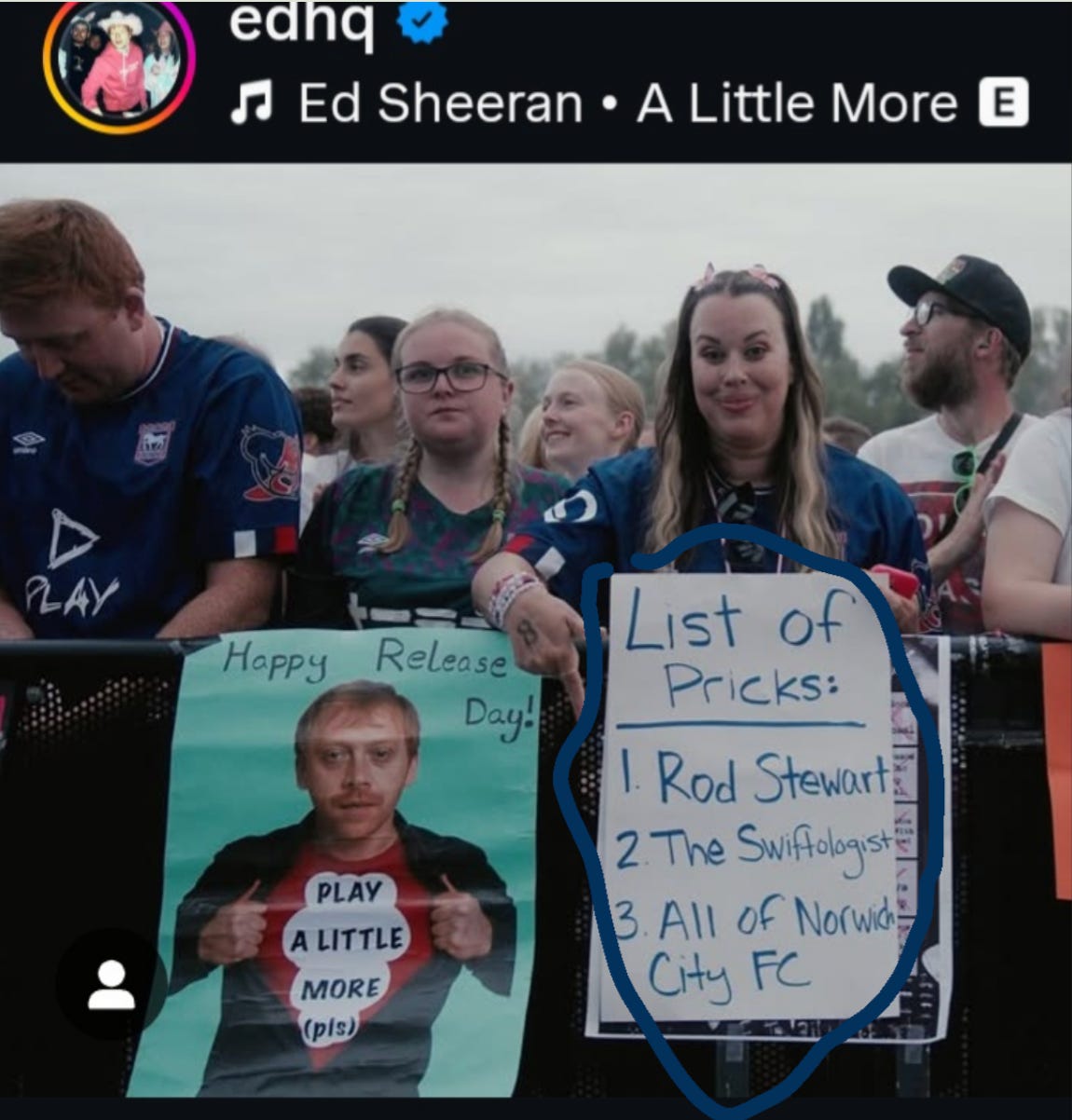
His public (and honestly iconic) feud with Ed Sheeran following Sheeran’s comment on a Swiftologist video labelling his recent album as “The Walmart of Music” (don’t hate me, but I don’t think that’s a far-fetched criticism) led to one of my personal favourite pop culture moments of 2025: The List of Pricks; a poster created by an Ed Sheeran fan (and in true messy boots behaviour, reposted by Ed himself), labelling the Swiftologist as the number 2 prick.
In a direct quote, Hourihane admits that he sees this proximity somewhat critically. When asked about how online music criticism has changed the way people interact with music discourse, he told us:
“Online music criticism has collapsed the distance between the critic, the artist, and the audience. That used to be a structured relationship; now, everything is immediate, emotional, and public. The upside is that more people are participating in music discourse than ever before. The downside is that we’ve lost a shared understanding of what criticism is. People often interpret critique as stan warfare or personal attack, rather than analysis. So instead of engaging with the argument, they engage with the perceived allegiance. It’s made discourse faster and louder, but not necessarily deeper.” - Zachary Hourihane
Ed Sheeran isn’t the only big artist aware of Hourihane’s existence, though.
Both Lady Gaga and Zara Larsson have commented on the Swiftologist’s reviews of their albums (the former being happier with the sentiment than the latter).
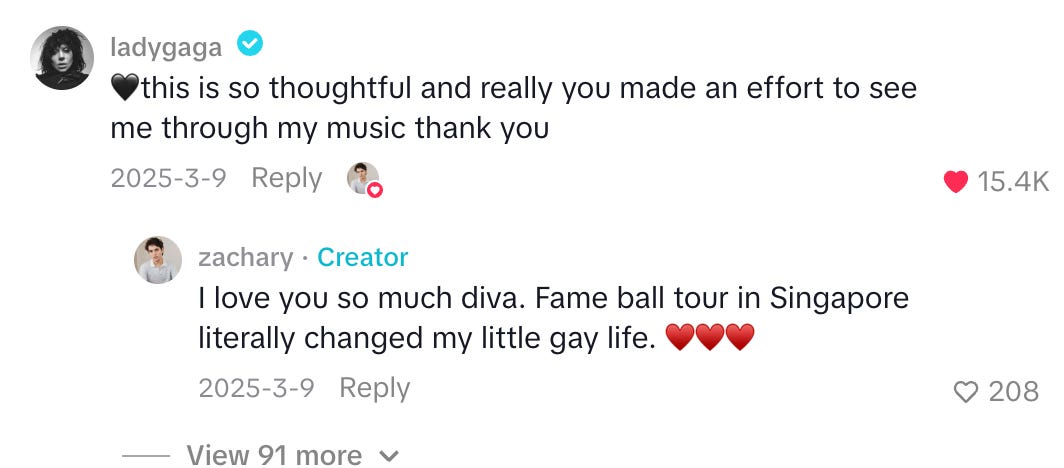
This shows one thing: Artists care what Hourihane thinks of their music.
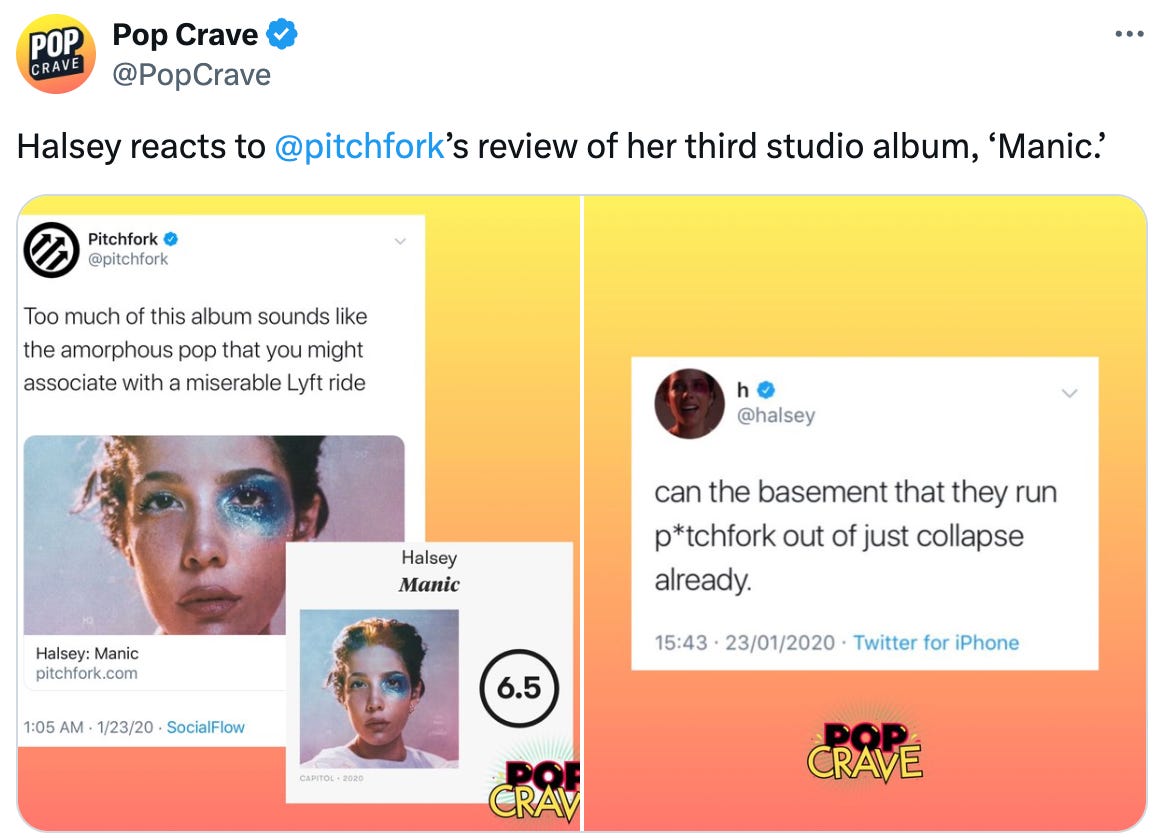
This type of influence, credibility, and ability to invoke a reaction, was previously exclusive to music publications (Halsey’s 2020 infamous Pitchfork slander is a great example).
“I’ve had artists, producers, and fans all respond directly to my reviews within hours. That creates a very different pressure environment, because you create your work knowing that you may be confronted by your subject as soon as you hit post. At the same time, I actually think independent critics often have more freedom. We’re not tied to industry relationships, ad revenue, or editorial politics in the same way. So while the proximity can be intense, the independence allows for a level of honesty that’s harder to maintain within legacy media structures that are focused on artist appeasement now.” - Zachary Hourihane
Charli XCX felt so compelled by Hourihane that she included his content in her 2026 mockumentary The Moment (not once but twice, might I add) - her effort of capturing today’s music industry and its key players. By including the Swiftologist in her film, she made one thing clear: For better or for worse, he is not only known to her but impactful enough to include in her version of “the music industry today”.
Hourihane isn’t the only online music critic with a voice, though. Other big names, such as Sam Murphy (aka Pop Sam) or Anthony Fantano (aka The Needle Tok), proved that TikTok is now a viable (and for the most part credible) place to get your music recommendations. Not only are their formats more aligned with today’s online culture, but their content allows them to illustrate their reviews with clips of music videos, album covers and song snippets in a way traditional media like newspapers (yes, even online ones) simply isn’t able to. Pair that with their engaging content styles compared to, for example, Pitchfork’s much more manicured TikTok videos, online music critics like the Swiftologist meet culture where it’s at: messy and chronically online.
Hourihane echoes that sentiment to us:
“My format allows for depth, narrative, and context in a way that traditional reviews often can’t. A 500-word review has to compress everything into a verdict. I can spend 30 minutes unpacking why something works or doesn’t culturally, aesthetically, or historically. It also lets me show my thinking in real time. I can bring in clips, references, contradictions and build an argument that feels more like an essay than a score. People don’t just want to be told if something is good or bad anymore, either, they want to understand how to think about it. That’s where I think my work sits: as a kind of translation layer between pop music and the culture around it. Most importantly, I meet the audience where they actually are: on social media. Hosted video content is everything now.” - Zachary Hourihane
Thanks to Zachary for taking the time to share his insights with us!
Feels like this is exactly where things are at